

It has probably happened to you too; hearing fingernails scraping across a chalkboard, a sudden screeching car brake, or a fork scratching against a plate makes you instantly clench your teeth and feel an unpleasant shiver run down your whole body. This strong physical reaction, often described as getting goosebumps or skin crawling, is not random or accidental. Instead, it has deep roots in the exact physical features of sound and how the human brain processes it.
In this report, we will look at why certain sound frequencies are so annoying to human ears, how the brain separates these sounds from everyday noises, what evolutionary theories explain this reaction, and why some people are much more sensitive to these sounds than others.
The Frequency Range Our Ears Are Most Sensitive To

Scientific studies show that human ears are far more sensitive to frequencies between two thousand and five thousand Hertz than to any other hearing range. This specific range is the exact spot where many notoriously annoying sounds live, such as nails on a chalkboard or sudden screams. Interestingly, this high sensitivity is not random; it connects directly to the physical shape of the human ear canal, which naturally boosts this exact frequency range.
On top of that, sounds in this frequency range are usually an irregular and messy mix of different frequencies, unlike musical sounds which have neat and predictable patterns. This messy mix makes it harder for the brain to process the sound, and this extra difficulty is part of why we feel so uncomfortable, as the brain treats the noise like a warning signal.
The Role of the Amygdala in Instant Body Reactions
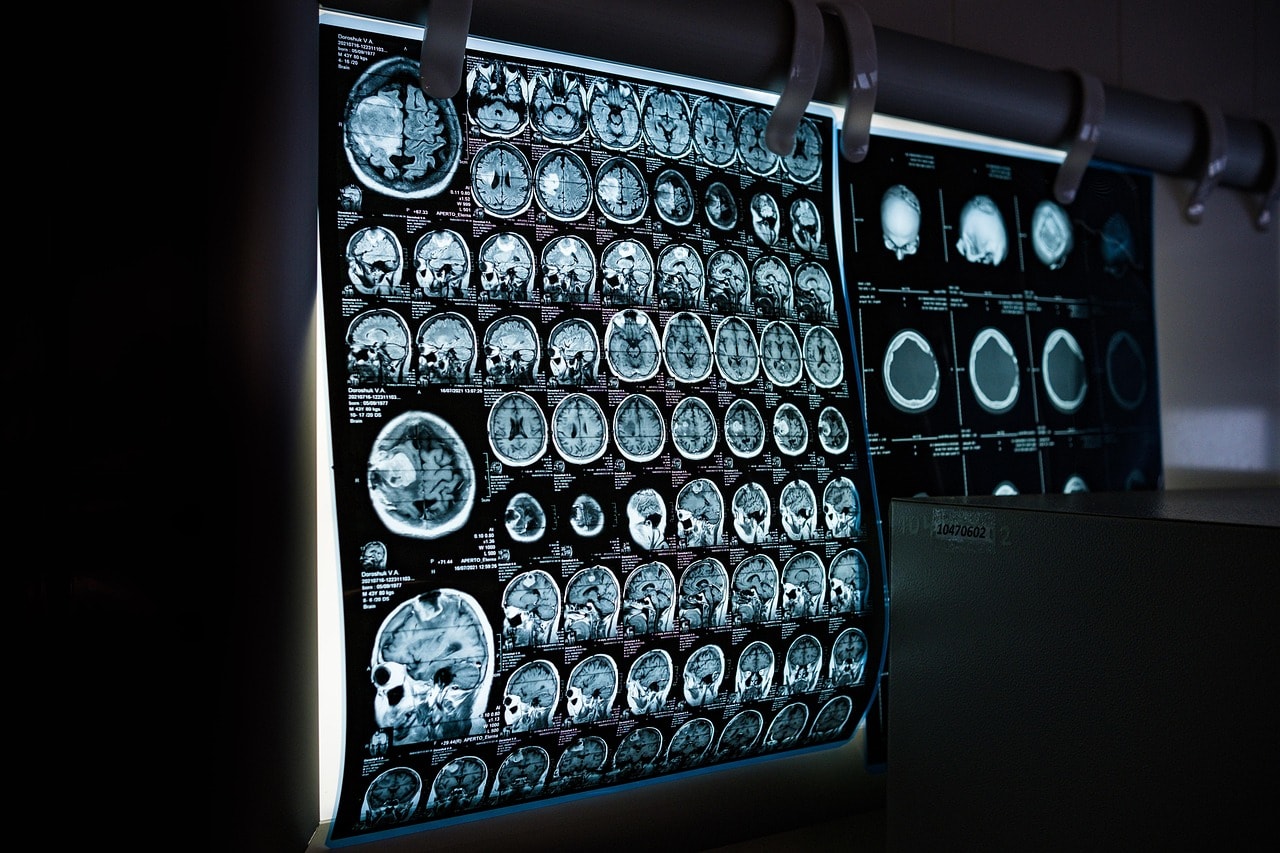
Brain imaging studies show that when people hear annoying sounds like nails on a chalkboard, a part of the brain called the amygdala, which acts as the main center for emotions and fear, suddenly becomes super active. This quick activation of the amygdala happens before the logical and thinking parts of the brain even have time to process the sound completely, which is why your body's reaction feels instant and beyond your control.
From a neurological point of view, this quick reaction looks a lot like a natural danger response system; the same mechanism that helped early humans react to sudden threats without needing to stop and think consciously. Because of this, even when we consciously know that nails on a chalkboard pose zero real danger, the older and more instinctual part of our brain still reacts to it like a real warning signal.
Evolutionary Theories: Do These Sounds Remind Us of Ancient Dangers?

One interesting theory about why these sounds bother our ears is that their structure looks a lot like natural warning sounds linked to danger throughout human history. These include animal alarm screams or scratching noises that could signal an approaching wild predator. According to this theory, the modern human brain still quickly spots sound patterns similar to those ancient warnings and reacts to them, even if the actual sound source is completely safe.
Another theory connects this sensitivity to human crying or screaming. Some researchers believe the sound frequencies of annoying noises share features with a crying baby or a person in pain; sounds that naturally demand instant attention and quick action in humans. While neither theory is completely proven, both show that this skin-crawling reaction has much deeper roots than simple hearing discomfort.
Misophonia: When Sound Sensitivity Goes Beyond Normal

For most people, the bad feeling from noises like nails on a chalkboard is temporary and lasts only for a short moment. But for some individuals, sensitivity to specific sounds goes far beyond a quick discomfort and turns into a condition called misophonia. In this condition, hearing certain sounds, even everyday noises like food chewing or a ticking clock, can trigger strong emotional reactions such as sudden anger, anxiety, or deep disgust.
Researchers are still studying the brain mechanisms behind misophonia, but some studies show that in people with this condition, the connection between auditory processing parts of the brain and emotional centers is stronger and more sensitive than in others. This shows that human reactions to unpleasant sounds vary a lot between people, and for some, it can significantly affect their daily life.
The Opposite Side: Why Some Sounds Feel So Pleasant

Interestingly, on the other side of human hearing reactions, there is a completely opposite phenomenon. Many people feel a deep sense of relaxation or even a pleasant tingling sensation when listening to soft sounds like whispering, hair brushing, or paper being slowly folded; a phenomenon known today as ASMR. This contrast shows that getting goosebumps is not always a bad thing, but can work in the exact opposite direction depending on the sound.
Scientists believe the main difference between these two reactions lies in predictability and rhythm. Annoying sounds are usually sudden, messy, and unpredictable, while ASMR sounds are soft, rhythmic, and predictable. This structural difference allows the brain to label one as a possible threat and the other as a safe, calming signal, proving that our skin's reaction to sound depends more on patterns and predictability than on volume alone.
Conclusion: A Sound That Speaks Directly to the Body
Your body's quick and sudden reaction to hearing nails scraping across a chalkboard is a great reminder that sound is not just a simple thing. Instead, it speaks directly to the oldest parts of our brain. These reactions are left over from millions of years of human development; mechanisms that were once vital for early human survival and remain active and ready to work even in our safe, modern world today.
Understanding this helps us make better sense of our everyday annoying sound experiences and shows how our body protects us without waiting for conscious, logical thought, guarding against risks that may have disappeared thousands of years ago. The next time you get goosebumps from a sudden noise, know that you are actually experiencing one of the oldest and coolest natural warning systems in the human body.