
If you have ever played background sounds like rain or running water to help you focus better while working or studying, you were probably using a type of colored noise without even knowing it. In recent years, alongside white noise which has been well known for a long time, another type of sound called brown noise has become super popular on social media and focus apps. Many people describe it as much more effective and pleasant for deep focus than white noise.
In this text, we want to look at what the scientific difference between different types of noise really is, why white noise can sometimes tire out or annoy the brain, what feature makes brown noise feel so relaxing and focusing, what science says about it, and how to use these sounds properly to improve our daily work and study habits.
What Does Colored Noise Mean in Sound Science?

The term colored noise comes from a cool comparison with the spectrum of visible light. Just like white light is made by mixing all colors of light together, white noise is made by mixing all hearable sound frequencies at equal energy levels; meaning deep sounds and sharp high sounds are present with almost the exact same power. But when the energy balance between different frequencies changes, the noise takes on another color, just like changing light colors creates a completely new shade.
Brown noise, which is also sometimes called red noise, belongs to this family. Unlike white noise, it puts much more energy into lower, deeper frequencies, and as you move toward sharp, high frequencies, the sound energy drops off very fast. This exact feature makes brown noise sound deeper, warmer, and similar to the gentle rumble of distant thunder or a faraway waterfall, unlike white noise which sounds like the steady hiss of an old broken television.
Why White Noise Can Sometimes Be Tiring and Annoying
Because white noise has strong, sharp high frequencies built into it, listening to it continuously for a long time can make many people feel tired, annoyed, or even nervous. Human ears are naturally extra sensitive to high and sharp frequencies because, throughout human history, these sounds were often linked to danger like screams or sudden snaps. For this reason, listening to white noise for hours can secretly keep a part of your brain in a state of high alert, which is the exact opposite of what you want when trying to relax and focus.
On top of that, some people report that after a long time, instead of hiding annoying background sounds, white noise itself turns into a brand new distraction. This experience varies from person to person, and it is one of the main reasons why many people who work for long hours with background noise have slowly switched to softer, gentler options like brown noise.
Why Your Brain Finds Brown Noise More Relaxing

One of the main reasons everyone loves brown noise so much is how similar it is to natural sounds that the human brain has subconsciously linked with safety and comfort over millions of years. The quiet roar of ocean waves, the distant rush of a waterfall, or the gentle wind blowing through tall trees all share a sound structure very similar to brown noise. This deep biological familiarity causes the brain to see this sound not as a new threat or distraction, but as a safe, familiar, and comfortable background.
Besides this evolutionary connection, the low and deep frequencies of brown noise stay in the back of your mind without pulling your conscious attention away, unlike the high frequencies of white noise. This exact feature helps your brain block out sudden and annoying background sounds, like people talking or cars honking, without demanding extra mental energy to process the sound itself; which is the exact job an ideal focus sound should do.
Scientific Evidence and Research Limits

Even though brown noise has become super popular in recent years, especially on social media, it is important to know that formal scientific studies on its exact effect on focus are still relatively limited and ongoing. Much of what we hear comes from personal user experiences rather than giant clinical trials. However, earlier studies on white noise for sleep and concentration show that uniform background sounds can generally boost focus by masking sudden environmental noises.
Another key point is that how people react to colored noise varies from person to person; some people prefer white noise, others find brown noise better, and some like pink noise which sits right in the middle. Because of this, the best approach for anyone is to try out a few different sound types and see how their own body and mind feel, rather than following a single rule for everyone.
How to Use Brown Noise the Right Way
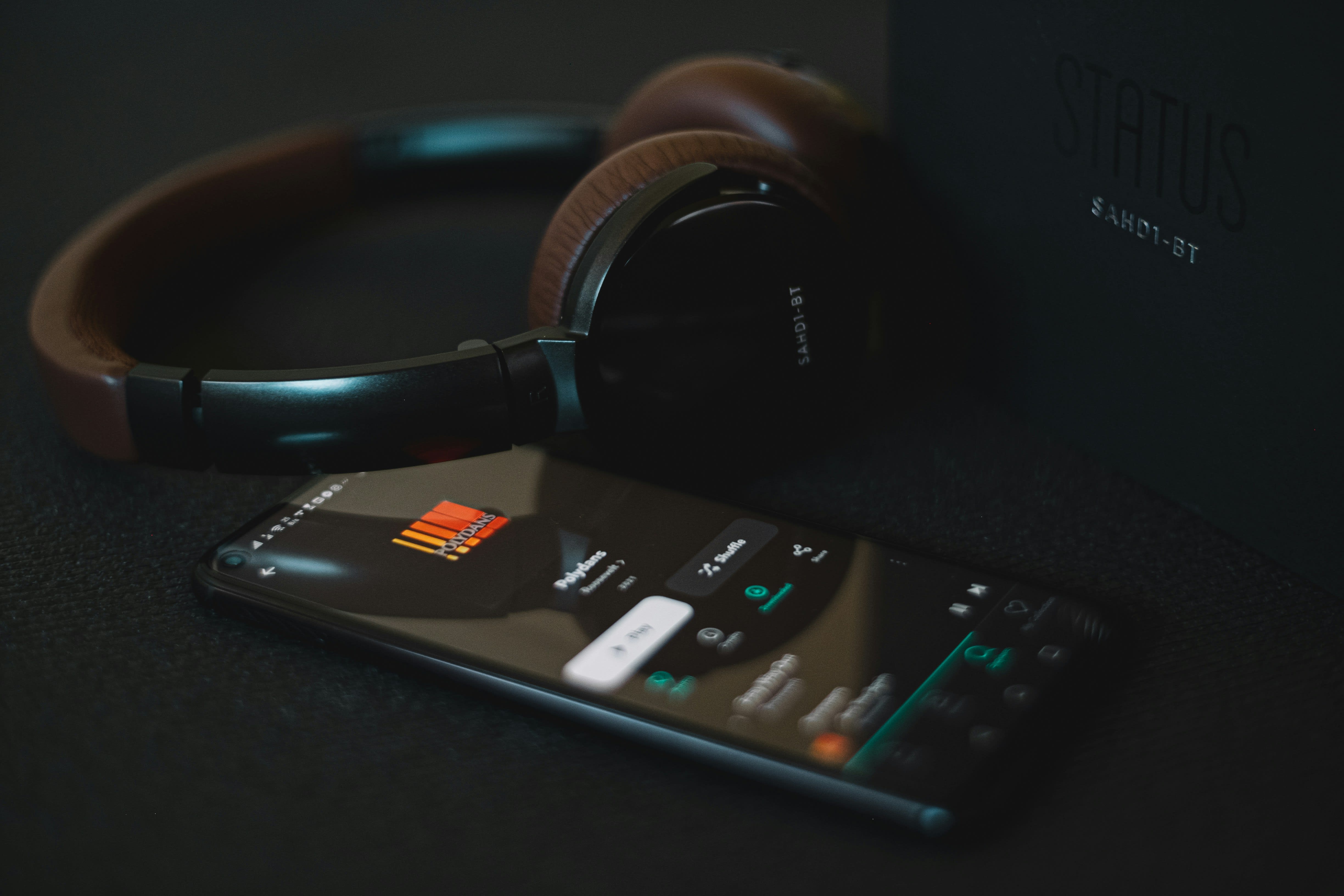
To use brown noise effectively, keep the volume at a relatively low and steady level so it acts as a soft background layer rather than a sound that grabs your attention. Many people prefer using simple headphones instead of big speakers because headphones give you better control over volume and low frequencies, while keeping the noise private in shared spaces.
Additionally, brown noise might not be suitable for every type of activity. While many find it awesome for deep reading and focused thinking, it might not work as well for tasks where you need to hear surrounding sounds or talk directly with others. Testing this sound during fixed periods, like a 30 to 45 minute study session, can help you figure out if this tool really works for your personal routine.
Conclusion: Finding the Right Sound for Your Mind
Brown noise, with its deep, warm, and comforting sound frequencies, is considered a much more effective and comfortable choice than white noise for many people trying to reach deep focus, especially in noisy places or during long study sessions. However, there is no single sound that is absolutely best for everyone. What really matters is finding the specific type of sound that your own brain naturally finds calm and peaceful.
If you have tried white noise before and felt like it tired out your brain, now might be a great time to add brown noise to your focus toolbox. In the end, the main goal of any background sound is to help your brain stay away from outside distractions, not to add a brand new layer of tiredness to your day.